Hibiscus
A Vintage-Inspired Embroidery Design with Character
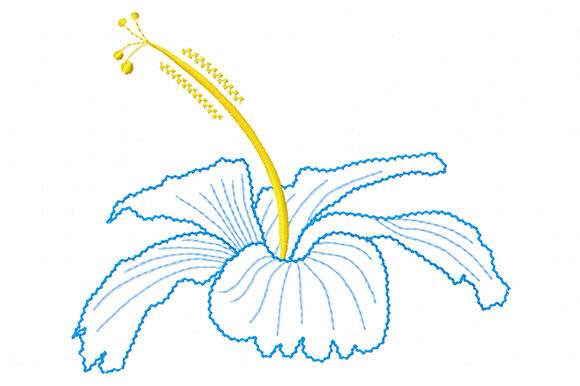
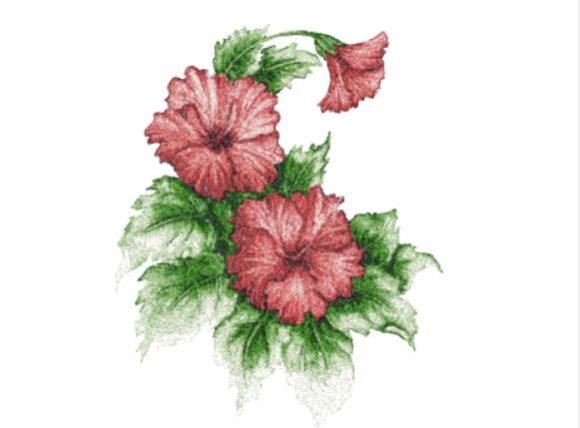
When I first opened the file for Hibiscus, I was immediately drawn to its vintage charm and intricate detailing. This is not just another flower design—it's a piece of art that feels like it belongs on a handmade quilt or a custom embroidered tote bag. The soft curves of the hibiscus petals are rendered with a level of detail that suggests a photo stitch approach, which means it’s built for precision and depth.
The Mood and Visual Personality
Hibiscus carries a quiet elegance. Its muted tones and delicate shading evoke a sense of nostalgia, making it perfect for projects that aim to blend tradition with modern craft. The layout is balanced, with a central focus on the flower and subtle background elements that add context without overwhelming the main subject. It feels like something you'd find in an antique shop or a curated boutique display.
As a designer, I find this kind of visual storytelling incredibly valuable. Hibiscus isn’t just a design—it’s a mood, a feeling, and a statement. Whether you're creating a personalized gift or a commercial product, the emotional weight of the design can make all the difference in how customers perceive your work.
Real-Life Use Cases: From Tote Bags to Baby Clothes
I recently considered using Hibiscus for a custom embroidered tote bag for a local boutique. The size of the design makes it ideal for larger surfaces, where the details can be fully appreciated. However, I also thought about smaller applications—like a baby onesie or a cap—where the design might lose some of its impact if not scaled appropriately.
For instance, applying Hibiscus to a baby garment requires careful consideration. The intricate details could become lost on thin or stretchy fabrics, especially when the design is placed near seams or curved edges. A test run on scrap fabric would be essential to ensure clarity and stitch density remain consistent across different materials.
Similarly, using Hibiscus on a sweatshirt or t-shirt calls for a larger hoop size and proper stabilizer. The design’s complexity means it needs room to breathe, both in terms of space and stitch coverage. A small hoop could result in a compressed look, which might not align with the intended aesthetic.
Design Performance in Real Projects
Hibiscus performs well on light-colored fabrics, where the shading and texture of the petals stand out. However, on dark backgrounds, the contrast may diminish, making the design less visually engaging. Testing the design in black and white mockups is a practical step before committing to a final product.
One thing to note is the stitch density. Photo stitch designs like Hibiscus often require higher stitch counts to maintain definition, especially in areas with fine details. If the design is too dense, it could lead to puckering or uneven stitching on certain fabrics. Balancing stitch density with fabric type is crucial for a professional finish.
Additionally, the use of thread colors plays a significant role in how the design appears. A single-color application might simplify the look, but Hibiscus really shines when multiple threads are used to create depth and dimension. Choosing the right thread palette can elevate the design from good to exceptional.
Where to Use Hibiscus Carefully
While Hibiscus is versatile, there are situations where it might not perform as expected. For example, using it on textured or heavily woven fabrics could cause the design to appear distorted or muddied. Similarly, applying it to curved surfaces like caps or hats requires extra attention to alignment and placement.
Small hoop sizes should be avoided unless the design is significantly scaled down. The loss of detail in smaller formats could make the finished product feel flat or incomplete. Likewise, products that undergo frequent washing, such as kitchen towels or aprons, might require additional reinforcement or a more durable fabric type to preserve the design’s integrity over time.
Practical Designer Notes
Before using Hibiscus in any project, I recommend testing it on scrap fabric to assess stitch clarity and overall appearance. Checking thread color contrast against the chosen fabric background is also important, especially when working with dark or light tones.
Reviewing the stitch density and confirming the hoop size needed for optimal results will help prevent common issues like puckering or distortion. Using the right stabilizer is equally critical, particularly for stretchy or delicate fabrics.
If you plan to sell finished items or digital products based on Hibiscus, make sure to verify licensing terms. While the design itself is beautiful, ensuring you have the proper rights to use it commercially is a necessary step for any craft business or Etsy seller.
Conclusion: A Design That Adds Value
Hibiscus is more than just a flower—it’s a thoughtful, detailed embroidery design that brings a touch of vintage beauty to any project. Whether you're creating a custom tote bag, a personalized gift, or a boutique product, the design has the potential to enhance the visual appeal and craftsmanship of your work.
With the right preparation and attention to detail, Hibiscus can become a standout element in your embroidery portfolio. It’s a great choice for designers looking to balance aesthetics with functionality, and it offers a unique opportunity to connect with customers through meaningful, handmade products.